
Choosing a university is one of the biggest decisions you'll make — not only because of the degree you'll earn, but because of the person you'll become.
Today's employers are looking for graduates who can think critically, communicate effectively, adapt to change, and work with people from different cultures. As artificial intelligence continues to automate routine tasks, these human skills are becoming more valuable than ever.
That's one reason why many students choose a liberal arts education.
At John Cabot University, you'll earn an American-accredited degree while studying in the heart of Rome, where classroom learning is complemented by international experiences, internships, and daily life in one of Europe's most historic cities.
Whether you plan to work in business, international affairs, communications, psychology, art, marketing, finance, or pursue graduate school, here are eight career skills you'll develop during your time at JCU.

1. Cross-Cultural Communication
Living and studying in Rome means interacting every day with people from different cultures, perspectives, and experiences. At John Cabot University, you'll learn alongside students from more than 80 countries in small, discussion-based classes where exchanging ideas is part of the learning experience. Group projects, presentations, and classroom conversations naturally strengthen your ability to communicate, collaborate, and build relationships across cultures.
Beyond the classroom, life in Rome offers daily opportunities to develop intercultural communication skills. Whether ordering coffee in Italian, participating in student clubs, completing an internship, or traveling with classmates across Italy, you'll gain confidence navigating different cultural environments and perspectives.
These experiences build more than academic knowledge, they develop cultural awareness, adaptability, and strong communication skills that employers increasingly value in today's global workplace.
2. Critical Thinking and Analysis
Artificial intelligence can summarize information, automate repetitive tasks, and generate content, but it cannot replace human judgment.
The ability to analyze information, evaluate evidence, ask thoughtful questions, and make informed decisions is becoming even more valuable and a liberal arts education is designed to strengthen these skills.
At JCU, students regularly engage in discussions, research projects, debates, and analytical writing that encourage them to examine issues from multiple perspectives rather than simply memorizing information.
Learning how to think, not just what to think, prepares graduates for careers that will continue evolving throughout their lives.

3. Strong Written Communication and Presentation Skills
No matter what career you pursue, you'll need to communicate your ideas clearly. Employers consistently rank written and verbal communication among the most important professional skills because they influence everything from presentations and interviews to reports, proposals, and leadership.
Throughout your degree at JCU, you'll develop these abilities through essays, research papers, presentations, collaborative projects, and classroom discussions. Resources like the Writing Center provide additional support, helping students become more confident communicators.
4. Adaptability and Resilience
Studying abroad naturally pushes you outside your comfort zone. Living in another country means navigating unfamiliar systems, adjusting to different customs, managing everyday responsibilities independently, and learning how to solve unexpected challenges.
These experiences build resilience - one of the most valuable qualities in today's rapidly changing workplace. Students often arrive in Rome focused on earning a degree but leave with greater independence, confidence, and the ability to adapt to new environments with ease.
5. Interdisciplinary Problem-Solving
One of the defining strengths of a liberal arts education is learning to think beyond a single discipline. At JCU students have the flexibility to explore 16 undergraduate majors and 25 minors, discovering how fields such as economics, international affairs, communications, business, psychology, and art history complement one another.
Rather than approaching challenges from only one perspective, students learn to integrate ideas from multiple disciplines to analyze complex problems and develop thoughtful, creative solutions. This interdisciplinary approach mirrors the way organizations solve real-world challenges, where collaboration across departments and areas of expertise is essential.
6. Leadership and Initiative
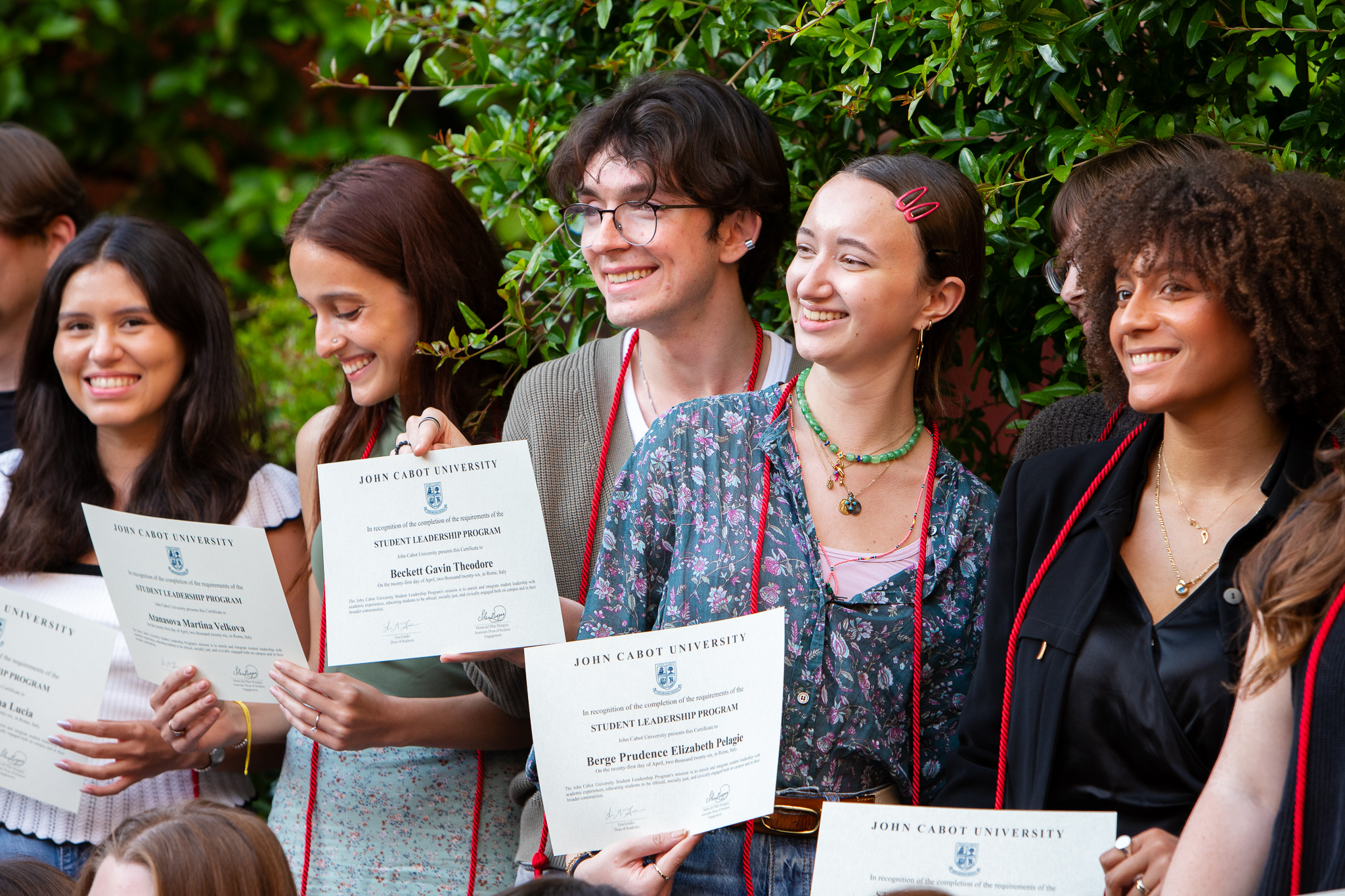
Leadership isn't limited to holding a management position. It begins with taking initiative, working collaboratively, managing responsibilities, and contributing to a community.
At JCU, students have opportunities to develop these skills through student clubs and organizations, leadership programs, internships, athletics, community service, and cultural events.
Small class sizes also encourage active participation, allowing students to engage directly with professors and classmates while developing the confidence to contribute their ideas.
7. Global Perspective
Few classrooms can compare to Rome itself. Living in one of the world's most historic cities transforms everyday experiences into opportunities for learning. A walk to class might include passing Renaissance churches, ancient Roman monuments, or lively neighborhood markets.
Beyond Rome, students can travel throughout Italy and Europe during weekends and academic breaks, gaining firsthand exposure to different cultures, histories, and ways of life.
This global perspective helps students better understand international issues while preparing them to work in diverse professional environments.
8. Professional Experience and Career Readiness
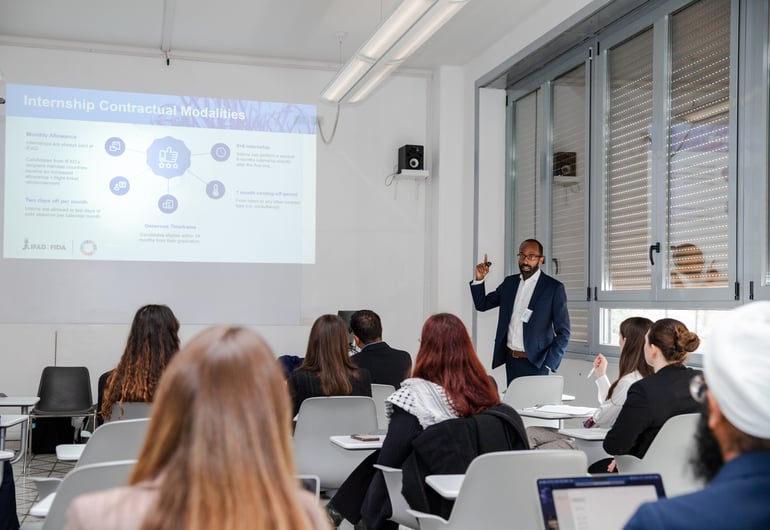
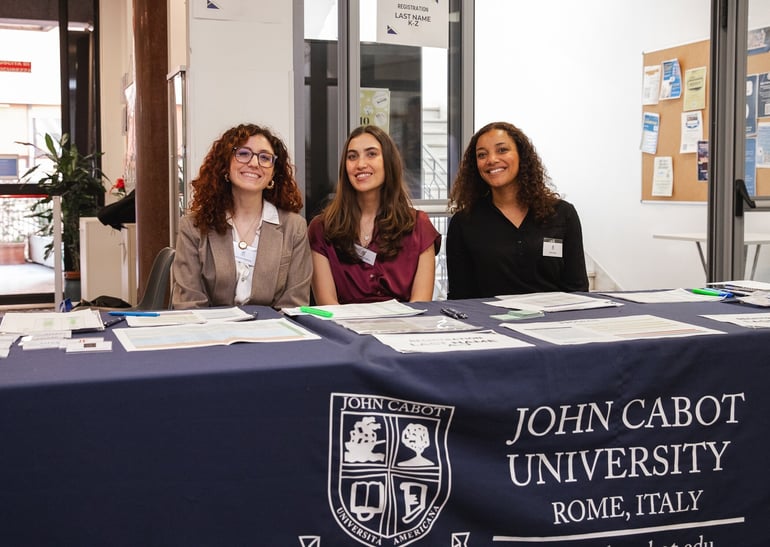
Career preparation begins long before graduation. JCU's Center for Career Services helps students explore career paths, prepare professional resumes, build interview skills, and connect with internships and employers throughout their university experience.
Students also have access to career fairs, employer networking events, workshops, company visits, and personalized career advising. Through partnerships with more than 200 companies and organizations, students gain valuable professional experience while still earning their degree. According to JCU Career Services, 81% of students interviewed secure internships, helping them graduate with practical experience alongside their academic credentials.
Why These Skills Matter for Your Future
Technical knowledge may help you land your first job, but the ability to communicate, think critically, solve problems, and adapt to change is what helps build a successful career over time. These transferable skills remain valuable regardless of industry because they prepare graduates to succeed in roles that continue evolving as technology advances.
Whether you choose graduate school, entrepreneurship, business, marketing, finance, international affairs, communications, psychology, or another field, these human-centered skills create opportunities throughout your career.
Why Students Choose JCU
John Cabot University combines the strengths of an American liberal arts education with the unique experience of living and studying in Rome.
Students benefit from:
- An American-accredited education recognized globally
- Small classes that encourage discussion and personalized learning
- Professors who mentor students both inside and outside the classroom
- A diverse community representing more than 80 countries
- Career development resources, internships, and professional workshops
- A campus located in Rome's historic Trastevere neighborhood, providing easy access to Italy and the rest of Europe
Together, these experiences help students graduate not only with academic knowledge, but also with the confidence, adaptability, and global perspective employers are looking for.

Frequently Asked Questions
What careers can you pursue with a liberal arts degree? A liberal arts degree prepares students for careers in business, marketing, communications, international affairs, education, nonprofit organizations, public relations, consulting, human resources, public policy, museums, and many other fields. The transferable skills developed through a liberal arts education are valuable across industries.
Is a liberal arts degree good preparation for careers in the age of AI? Yes. As AI automates more routine tasks, employers increasingly value graduates who demonstrate critical thinking, creativity, communication, ethical decision-making, and adaptability. These human skills are central to a liberal arts education.
How does studying abroad improve career opportunities? Studying abroad demonstrates independence, resilience, cultural awareness, and adaptability. Students also build international networks, gain global perspectives, and develop intercultural communication skills that are highly valued by employers.
How does John Cabot University support career development? JCU's Center for Career Services provides one-on-one advising, internship opportunities, career fairs, employer networking events, workshops, resume reviews, interview preparation, and access to the JCU Career Coach platform. Students can take advantage of these resources throughout their academic journey and as alumni.
Why study a liberal arts degree in Rome? Rome becomes an extension of the classroom, allowing students to engage with history, art, politics, business, and culture firsthand. Combined with JCU's American-accredited curriculum and international community, studying in Rome offers an immersive educational experience that prepares students for success in a global world.
Build the Skills for Your Future
The future belongs to graduates who can think critically, communicate effectively, adapt to change, and collaborate across cultures. A liberal arts education provides these foundations, and studying in Rome allows you to develop them in ways that extend far beyond the classroom.
Whether your goal is graduate school, an international career, or launching your own business, JCU helps you build the skills to succeed in an increasingly global and technology-driven world.
Ready to study in Rome?
Learn more about John Cabot University's undergraduate programs or contact the Admissions Office admissions@johncabot.edu to start your journey.


